If you want the short answer: PictureThis is the best all-round gardening app on Android in 2026 for plant identification and care, PlantNet and Flora Incognita are the best free identifiers, Planta is the best reminder app for keeping plants alive, and Garden.gg is the standout new seed-to-harvest tracker. Below, we test and rank the apps that are actually worth installing this year, with honest pricing and limits spelled out.
In short: the top 3 picks
- PictureThis – the most accurate and polished identifier, with care guides, weed and disease checks, and expert chat. Free with a heavy premium push.
- Planta – the best care-scheduling app. It works out how much light each plant gets and reminds you to water, fertilise, and repot at the right time. Freemium.
- PlantNet – free, no paywall, community-verified identification backed by real botanists. Ideal for wild plants and weeds.
Why gardening apps matter in 2026
Gardening apps changed jobs over the last two years. In 2024, most were photo identifiers with a watering reminder bolted on. By 2026, identification is effectively free — so the apps that survive do more: they calculate how much water a plant needs, diagnose diseases from a photo, plan a vegetable bed around your frost dates, and track a garden from seed to harvest. Newer apps like Greg and Garden.gg are built around that shift. We also cut apps from our September 2024 list that died or left Android: SmartPlant was pulled from Google Play in late 2024, GrowIt!’s social platform was wound down, and Happy Plant is now iOS-only.
The best gardening apps for Android in 2026
1. PictureThis – Best all-round gardening app
The market leader for a reason: 50 million-plus downloads, a 4.6-star rating, and Editors’ Choice on Play. Snap any plant and it returns an identification in seconds, then layers on care guides, weed identification, a light meter, and disease diagnosis. Premium also unlocks 24/7 chat with horticulture experts.
- Price: Free to download; Premium around US$30–40/year (most useful features are paid)
- Verdict: Fast, accurate, and genuinely useful — but the free tier is aggressive with paywall prompts.
- Best for: Anyone who wants one dependable app for identification, disease checks, and care notes.
2. Planta – Best for care reminders
Planta turns your phone into a plant-care calendar. Onboarding asks about window direction, room, and pot size, then builds a per-plant schedule that adjusts for weather and season, with a light meter and disease diagnosis on top. It is the most polished reminder app tested — and the most useful features sit behind Premium.
- Price: Freemium; Premium roughly US$36/year depending on region
- Verdict: The app most likely to stop you over- or under-watering; pay for it if you have more than a few plants.
- Best for: Houseplant owners who forget to water and want a schedule that adapts to real conditions.
3. Greg – Best watering algorithm for houseplants
Greg grew from a small tracker into one of the biggest houseplant apps through 2024–2025, and it is the most interesting new pick here. Instead of generic “water weekly” reminders, it estimates a water amount and interval from the species, pot size, light, and your local weather. A large, friendly community answers care questions quickly.
- Price: Free; “Super Greg” subscription around US$30/year after a 7-day trial
- Verdict: Clever idea with real fans, though reviews note paywall pressure and its update cadence has been quiet lately.
- Best for: Indoor plant collections where watering quantity — not just timing — is the problem.
4. PlantNet – Best free identifier (wild plants)
A citizen-science project from French research institutes, free with no ads and no premium tier. Your photos are checked by a community of botanists, and identifications improve as more people contribute. Strongest on wild plants, weeds, and trees; cultivated houseplants are a secondary focus.
- Price: Free, ad-free
- Verdict: The best free identification app on Android, provided you accept a science-first interface.
- Best for: Naming plants you find outdoors, checking weeds, and contributing to real biodiversity research.
5. Flora Incognita – Best free ID for Europe (plus fungi)
Built by the Technical University of Ilmenau and the Max Planck Institute, Flora Incognita is free, ad-free, and updated frequently — it added around 3,000 lichen and fungus species in 2025. It identifies more than 30,000 plants with over 90% claimed accuracy and works offline for later upload. Its deepest species coverage is European.
- Price: Free, ad-free, no premium
- Verdict: A scientific-grade identifier with zero monetisation; outside Europe the database thins out.
- Best for: European gardeners and anyone identifying mosses, lichens, or fungi alongside flowering plants.
6. PlantSnap – Best for sheer database size
PlantSnap claims over 600,000 species, including mushrooms, cacti, and succulents, and remains actively updated in 2026. An Explore map shows what other users identified nearby — a handy twist for walks.
- Price: Freemium; Premium from around US$20/year
- Verdict: Huge coverage and a nice social layer, but the free version nags hard and accuracy trails PictureThis on lookalikes.
- Best for: Identifying the long tail — mushrooms, cacti, uncommon ornamentals — when other apps come up short.
7. iNaturalist – Best for verified, human-checked IDs
A joint project of the California Academy of Sciences and National Geographic, and an Editors’ Choice app. The AI suggests an ID, then real naturalists confirm it — which makes results more trustworthy than any single photo app, especially for uncommon plants. It covers animals and fungi too.
- Price: Free
- Verdict: Not a care app and slower than AI-only tools, but the only identifier with expert review baked in.
- Best for: Curious gardeners, hikers, and anyone who wants identifications they can cite.
8. Garden.gg – Best new seed-to-harvest tracker
The newest app in this list, a 2025 arrival that tracks a food garden from seed packet to harvest. You map plots, log sowings, weigh harvests, and get zone-based planting calendars with frost dates — plus photo plant ID and light gamification, with no ads.
- Price: Free; paid tier in development
- Verdict: Actively built and refreshingly generous, but young — expect a smaller plant database and community.
- Best for: Data-minded food gardeners who want harvest weights and per-plot notes rather than generic reminders.
9. Planter – Best visual planner for vegetable beds
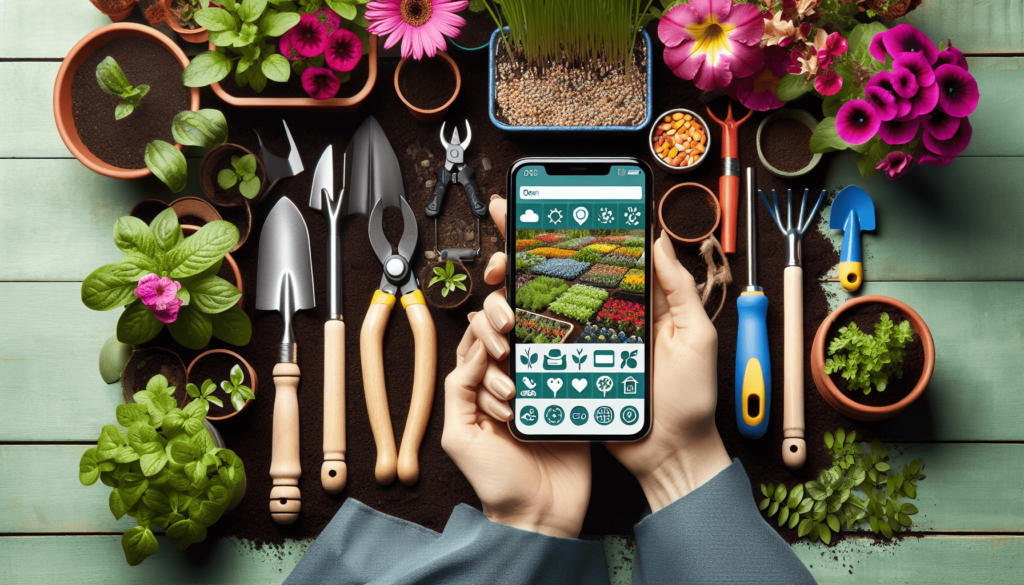
Planter is a clean, grid-based planner for raised beds and square-foot gardens. It shows how many of each plant fit a bed, flags good and bad companion plants, tracks your seed inventory, and builds task reminders around your first and last frost dates. Constantly updated by a responsive developer.
- Price: Free; premium unlock for multiple beds and full features
- Verdict: The easiest way to lay out a veggie bed and avoid crowding; the free version’s bed limit frustrates some.
- Best for: Vegetable and raised-bed gardeners who plan before they plant.
10. Plantix – Best free diagnosis for food crops
Plantix is a “crop doctor” aimed at growers: photograph a sick tomato, pepper, or cucumber and it diagnoses more than 780 pest, disease, and nutrient problems across 30 major crops, then suggests treatments. Diagnosis is free, which is rare in 2026, and a community of experts answers follow-ups.
- Price: Free with ads
- Verdict: Unmatched free diagnosis for edibles; the farming-focused interface and ads feel utilitarian.
- Best for: Vegetable gardeners troubleshooting yellowing leaves, pests, and nutrient deficiencies on food crops.
11. Gardenize – Best long-term garden diary
Gardenize is a journal for outdoor gardens: organise your plot into areas, log plants, and record events like sowing, watering, and harvests with photos and notes, synced to a web app. No other app here handles season-to-season comparison as well.
- Price: Free; optional Gardenize Plus subscription
- Verdict: Still the best pure garden diary, but development has slowed (its Android app was last updated in 2024) and the interface feels dated.
- Best for: Gardeners who want a structured, searchable record of what worked — and what didn’t — across seasons.
How to choose a gardening app
Ask what your actual bottleneck is. If plants keep dying unnamed, start with a free identifier (PlantNet or Flora Incognita) before paying for PictureThis. If you own houseplants and forget to water, Planta or Greg pays for itself quickly. If you grow food, pair a planner (Planter) with free diagnosis (Plantix), and optionally Garden.gg for harvest data. One honest warning: free tiers are deliberately thin, and disease diagnosis in particular moved behind paywalls in 2025 — check pricing before you commit a season of data to an app. Most gardeners end up with two apps: an identifier plus a care or planning tool.
FAQ
What is the best free plant identification app for Android?
PlantNet is the best free, ad-free identifier with global coverage. Flora Incognita is equally free and stronger in Europe, and it also identifies mosses, lichens, and fungi. Both have no premium tiers or paywalls.
Can gardening apps diagnose sick plants?
Some can, with limits. Plantix offers free photo diagnosis for food crops, while PictureThis and Planta put diagnosis behind Premium. Treat any app result as triage, not a lab test — and confirm treatments with your local extension service or nursery.
Which gardening app is best for beginners?
PictureThis for identifying what you own, and Planta for knowing when to water it. Both are forgiving to use, but Planta’s useful features cost around US$36/year, so beginners with one or two plants could start with the free tier of Greg or a free identifier instead.
Are any of these apps actually free?
Yes. PlantNet, Flora Incognita, iNaturalist, and Garden.gg have no required subscription, and Plantix is free with ads. PictureThis, Planta, Greg, and PlantSnap are free to install but gate their best features behind subscriptions.
Final verdict
For most Android gardeners in 2026, the best setup is PictureThis for identification and disease checks, plus one free identifier (PlantNet) as a second opinion. Houseplant keepers should add Planta or Greg for watering; food gardeners should add Planter for layout and Plantix for free diagnosis — with Garden.gg worth watching as the newest seed-to-harvest tracker. Skip paid subscriptions until a free app actually limits you; the free identifiers here are genuinely good, and that was not true of the 2024 landscape.
Disclosure: Some links in this post are affiliate links. If you buy through them, we may earn a commission at no extra cost to you.
Frequently asked questions
Are these apps free?
Most are freemium; we flag the free tier vs paid upgrade for each.
Do they work on any Android phone?
They run on most modern devices; we note any hardware requirements.
Which is the best overall?
Our top pick is the best balance of features, value and ease of use.
Last reviewed: September 6, 2026
